Key takeaways
- Turf saves irrigation water and removes fertilizer and herbicide use.
- It is made of plastics and does not support the same wildlife as natural lawn.
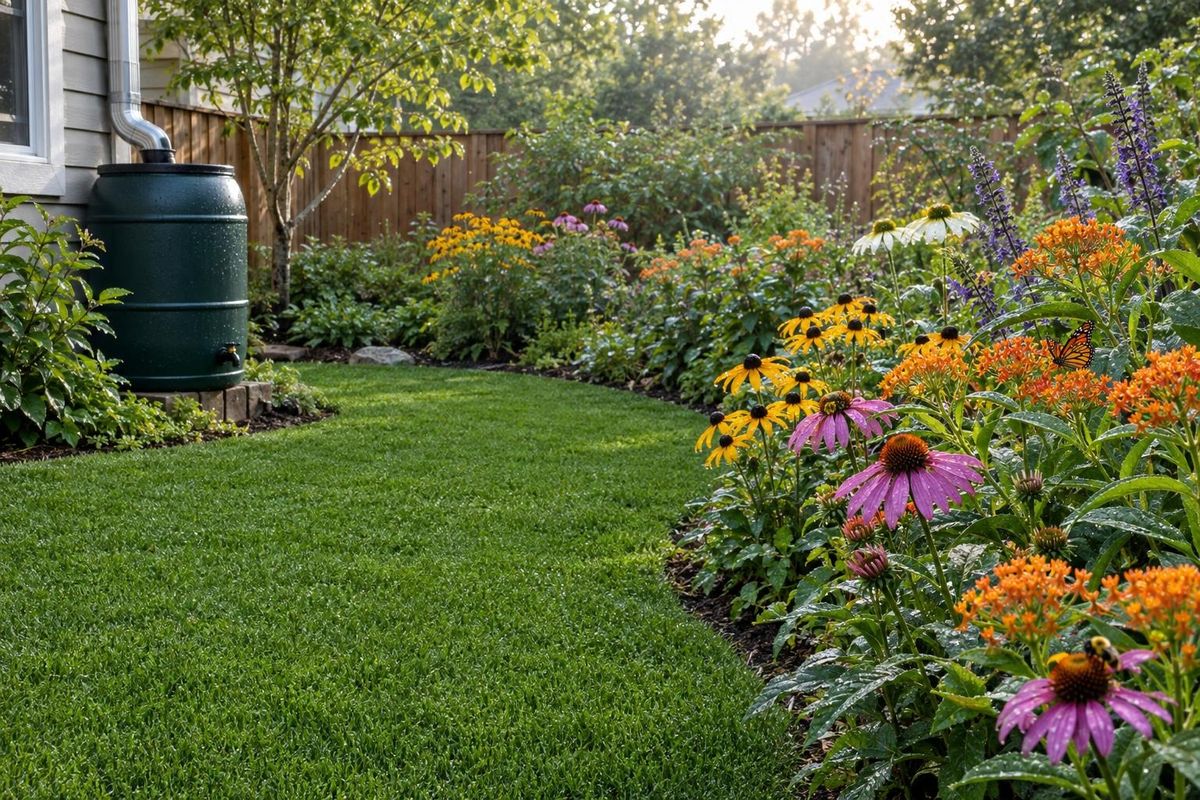
- A thoughtful design can combine turf with native plantings.
Water savings
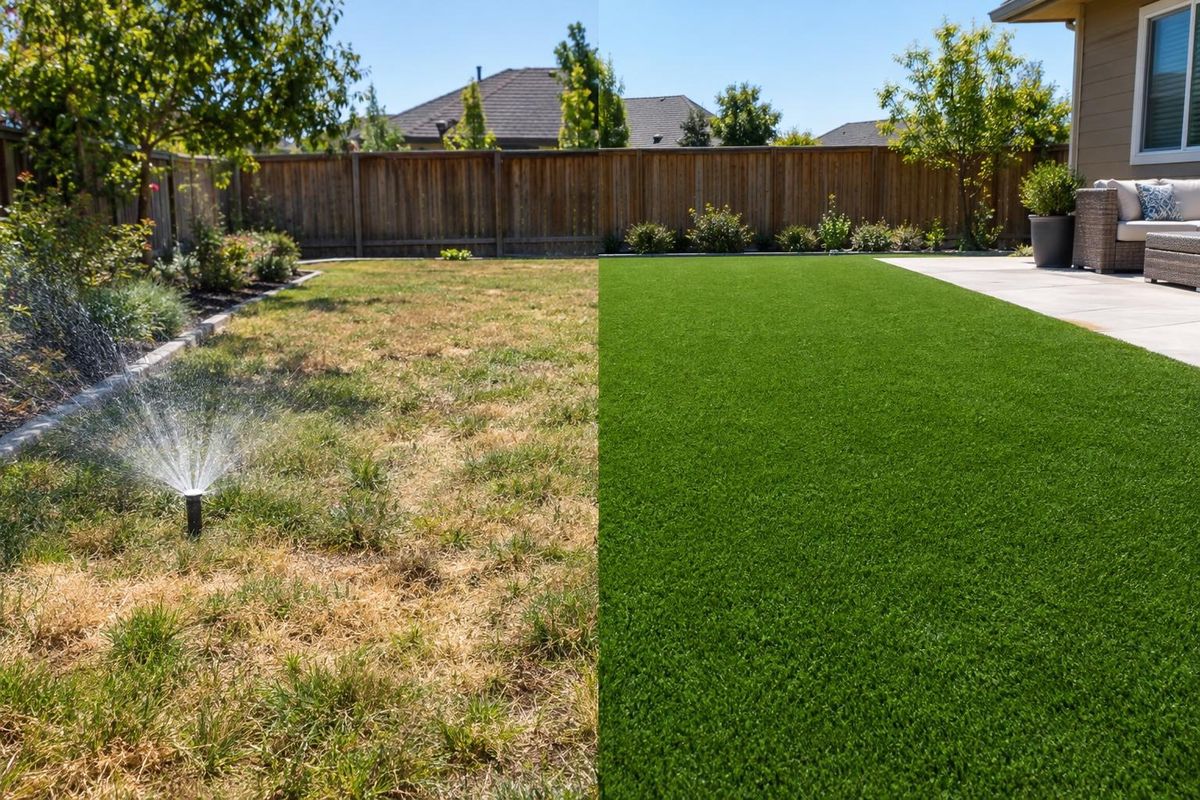
Natural lawns in summer can use a lot of water for irrigation. Turf needs only occasional rinsing, so total water use is typically much lower.
Chemicals and equipment
No fertilizer, pesticides or herbicides are needed, and there is no gas-powered mowing. That reduces runoff and emissions.
Materials
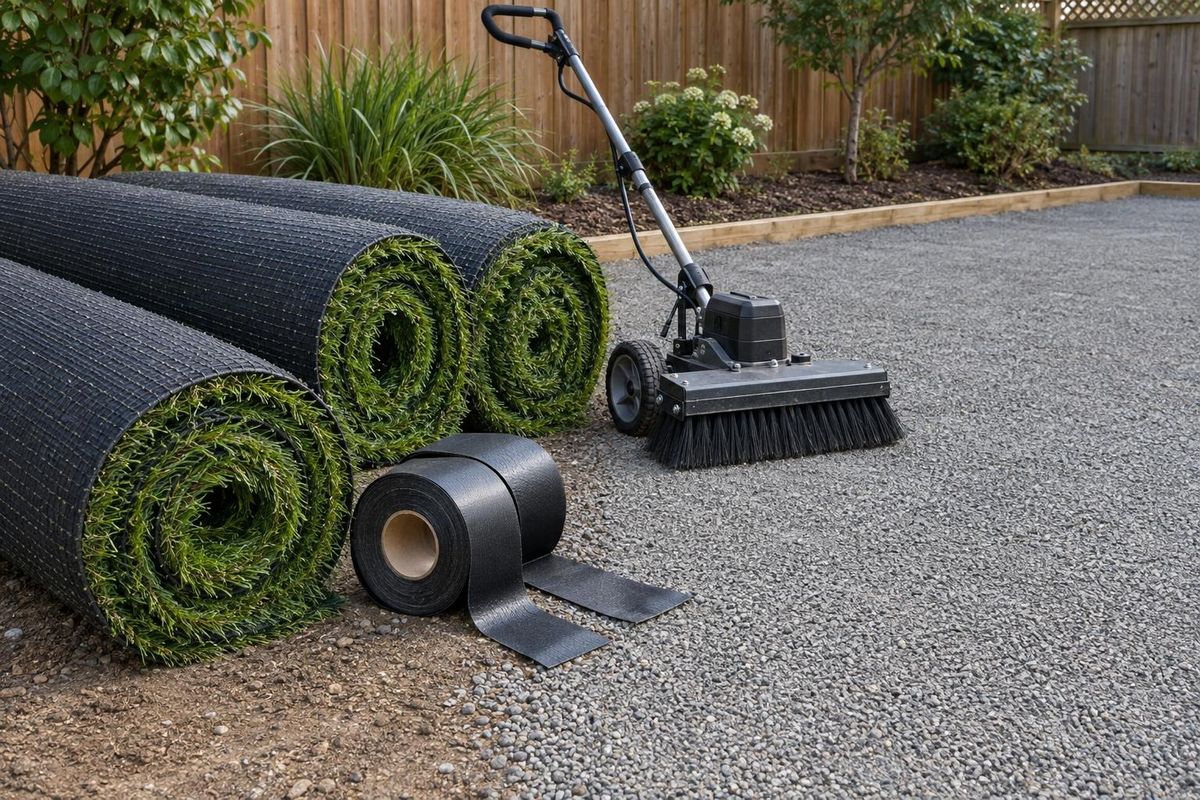
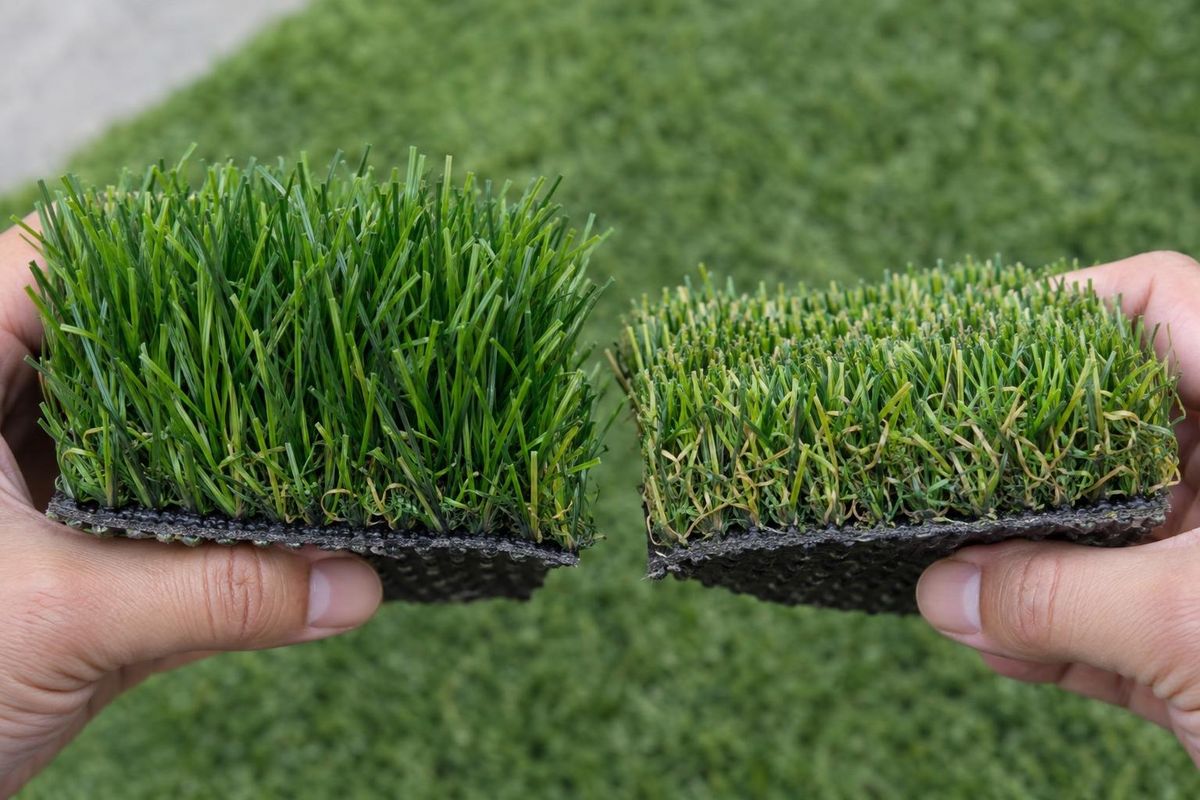
Turf is made from plastics and other synthetic materials. Look for products with recycled content and for transparent specifications. Ask about end-of-life options.
Habitat and heat
Natural lawns host soil life and cool the air. Turf does not. Planting beds, trees and native plants around turf bring pollinators and shade back.
Using turf wisely
Many homeowners turf the high-use and hard-to-grow areas and plant native borders. That uses turf where it solves problems and keeps living landscape elsewhere.
Quick answers
Is turf good for the environment?
It saves water and chemicals but is plastic-based and does not provide habitat. A balanced approach mixes turf with plantings.
Can turf be recycled?
Recycling options exist but vary. Ask your installer about take-back and recycling.